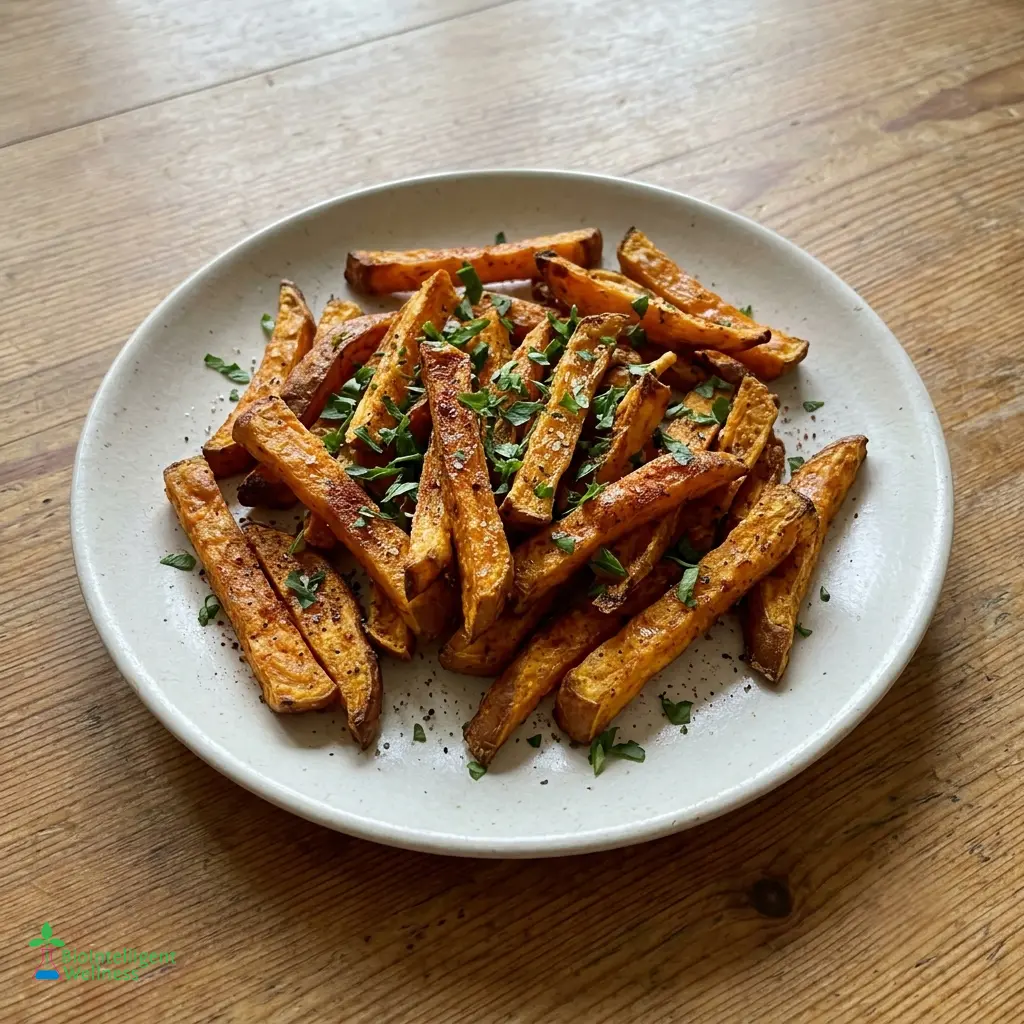
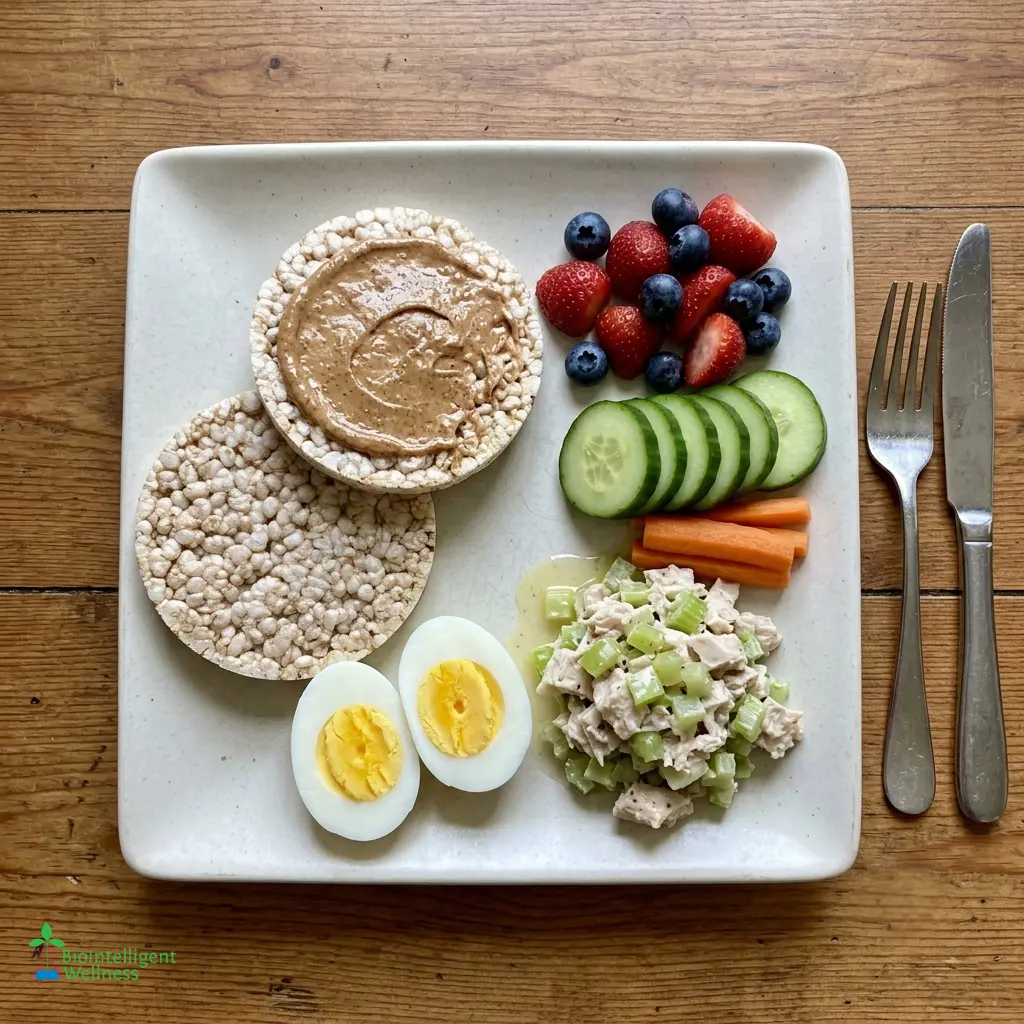
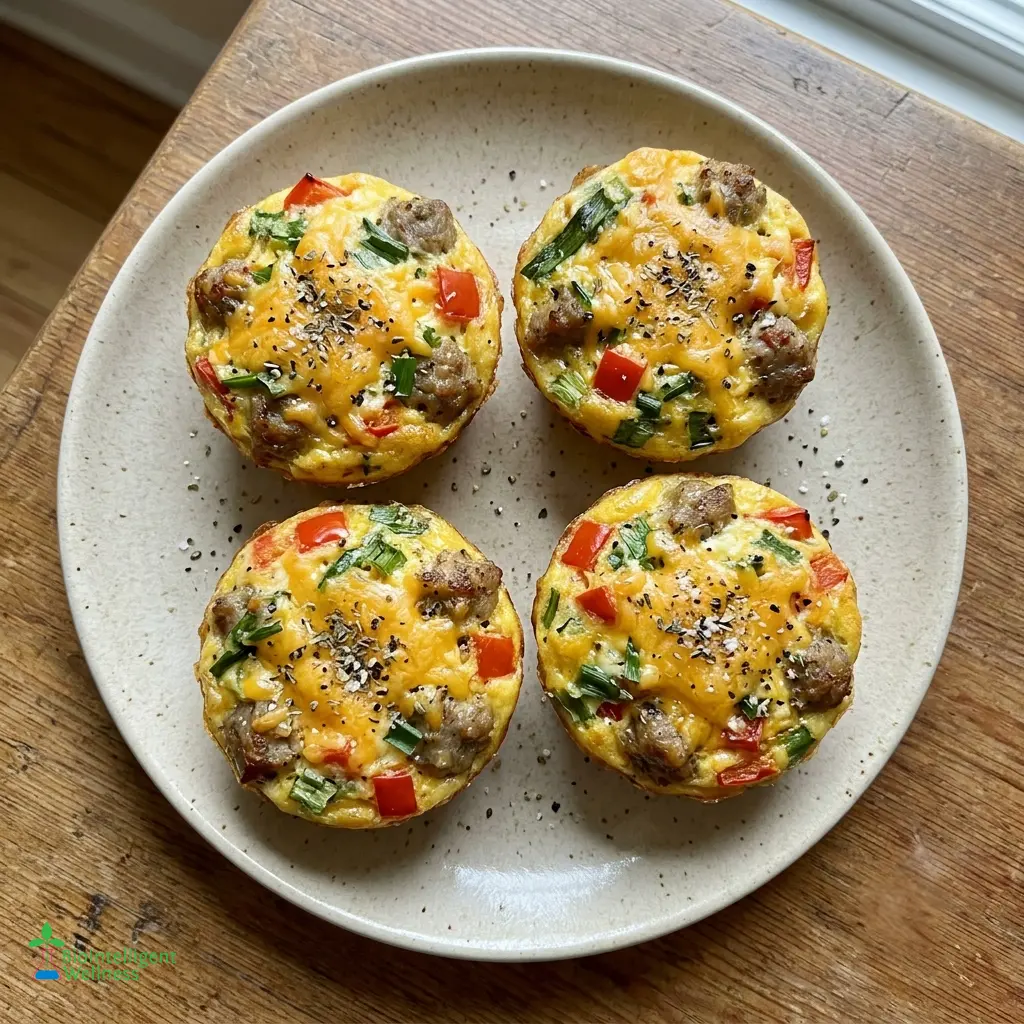
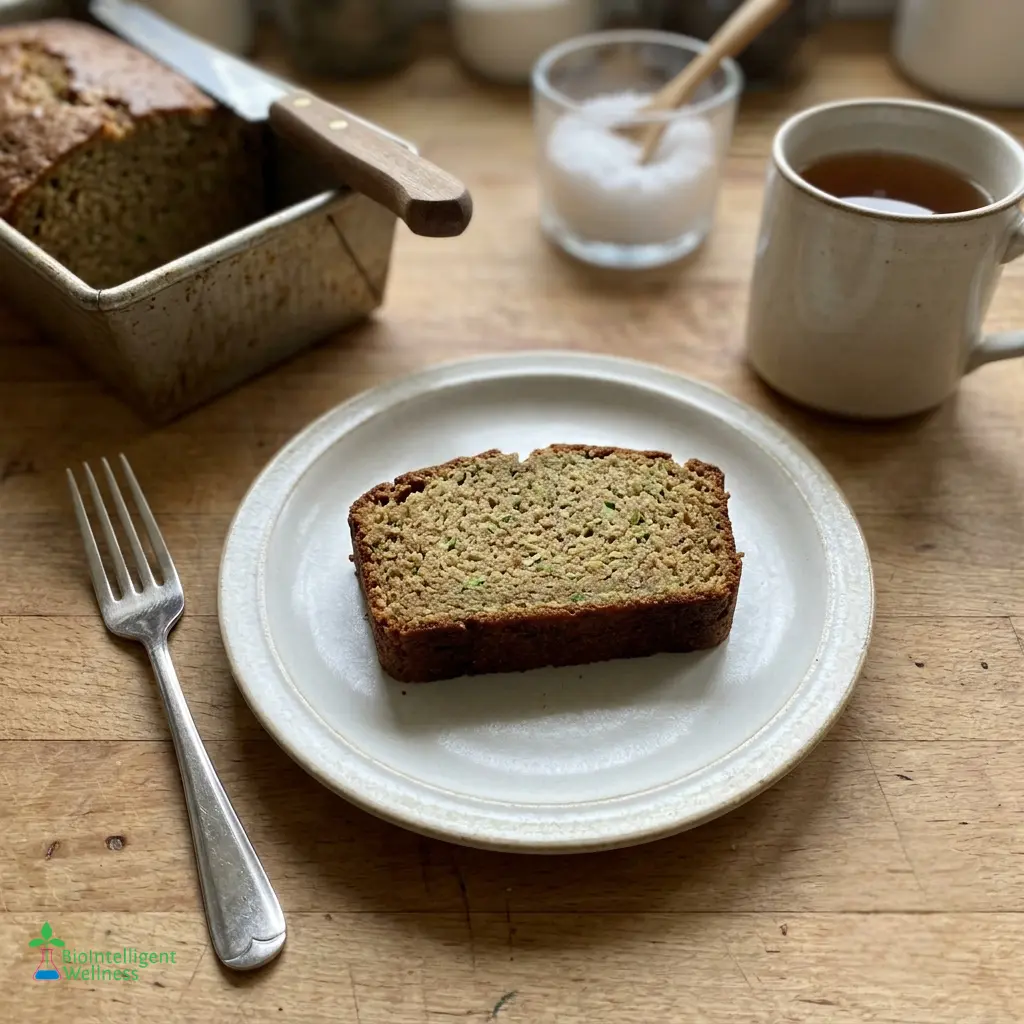
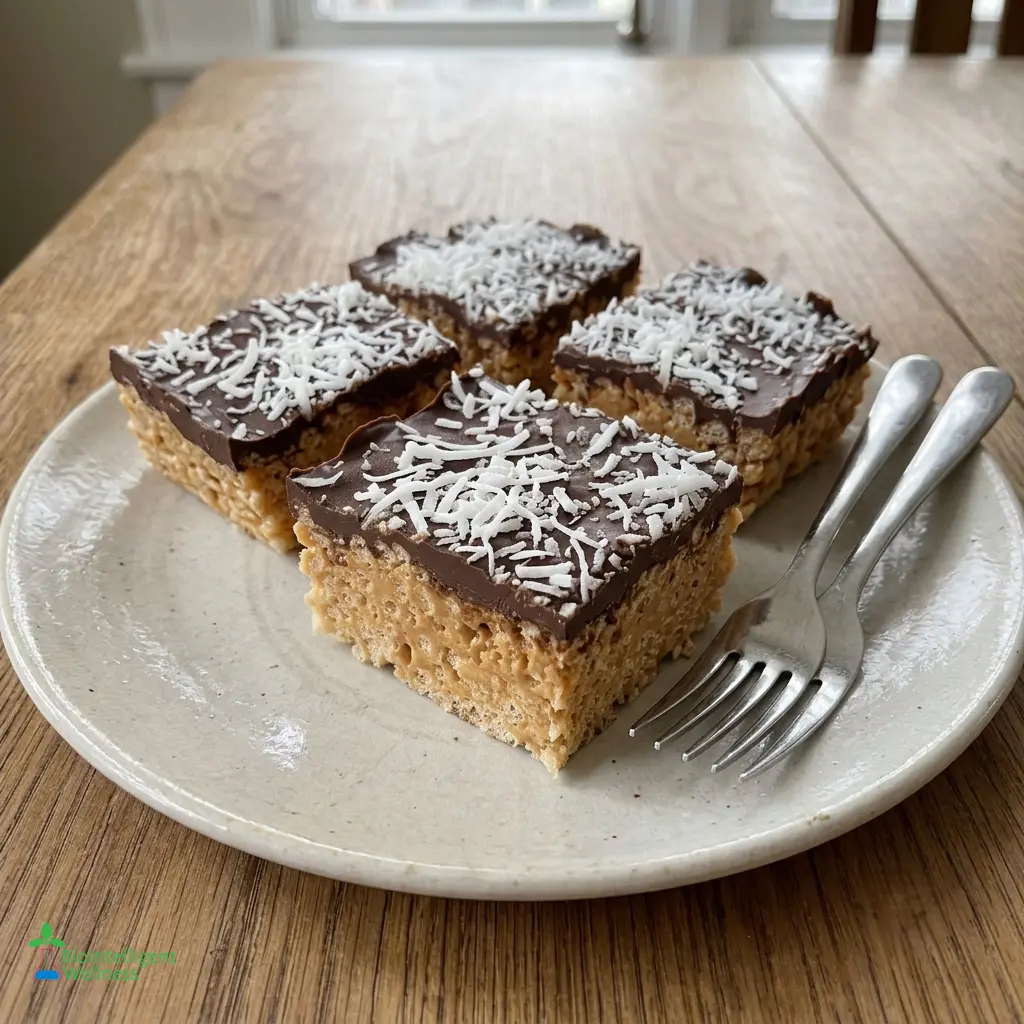
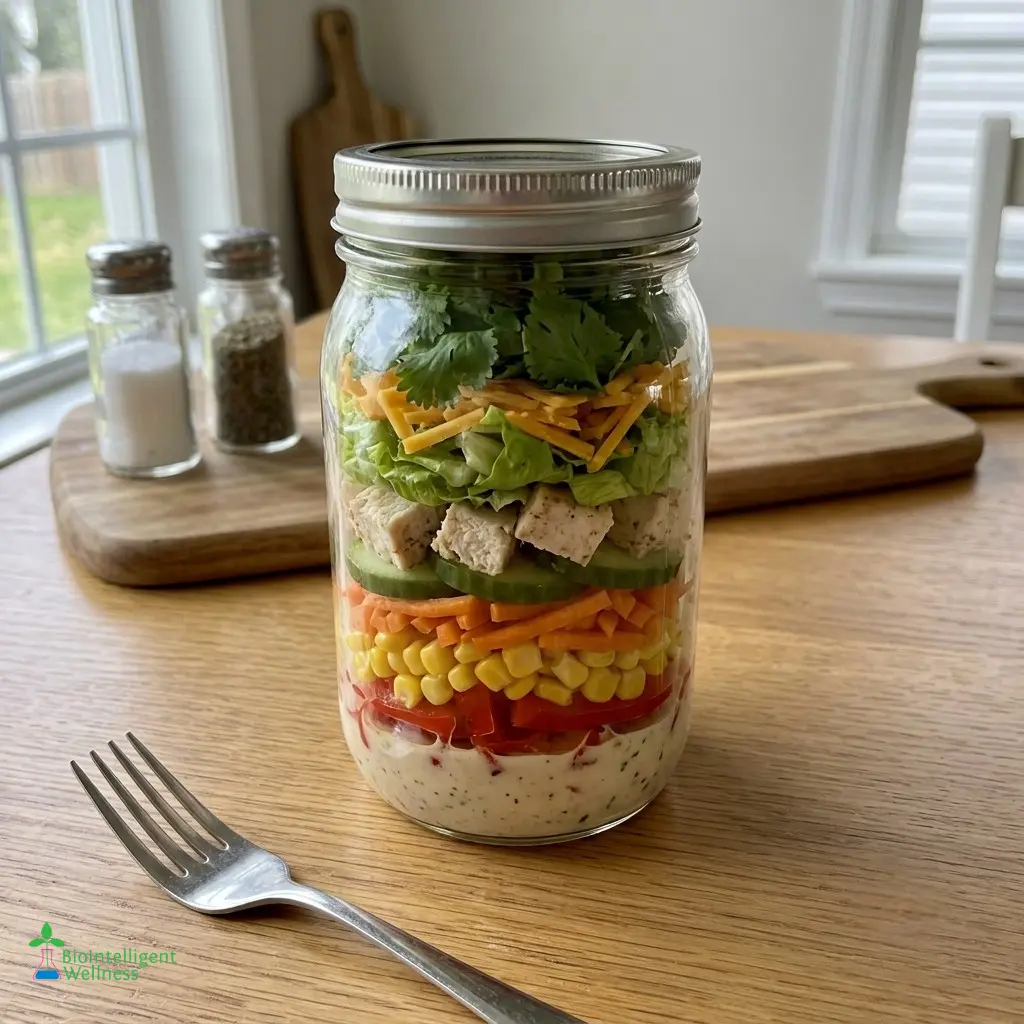
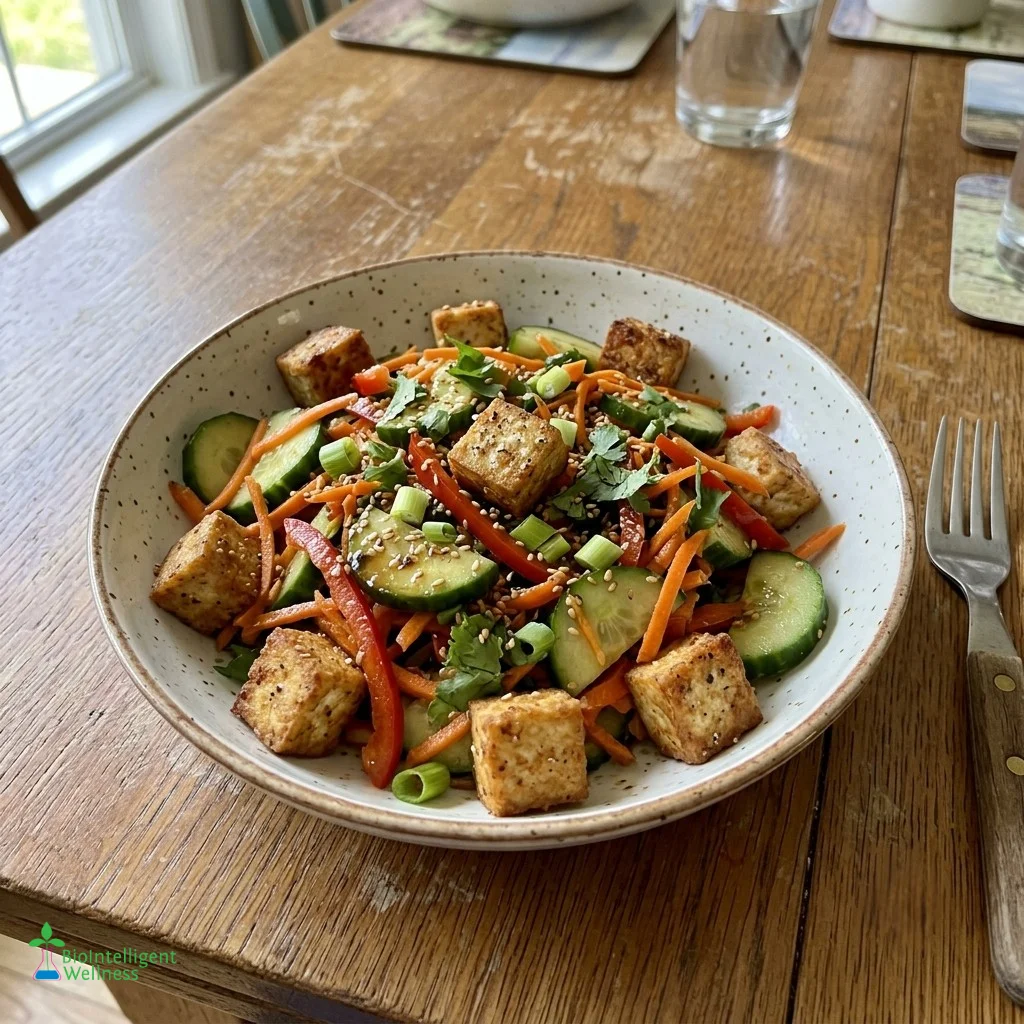
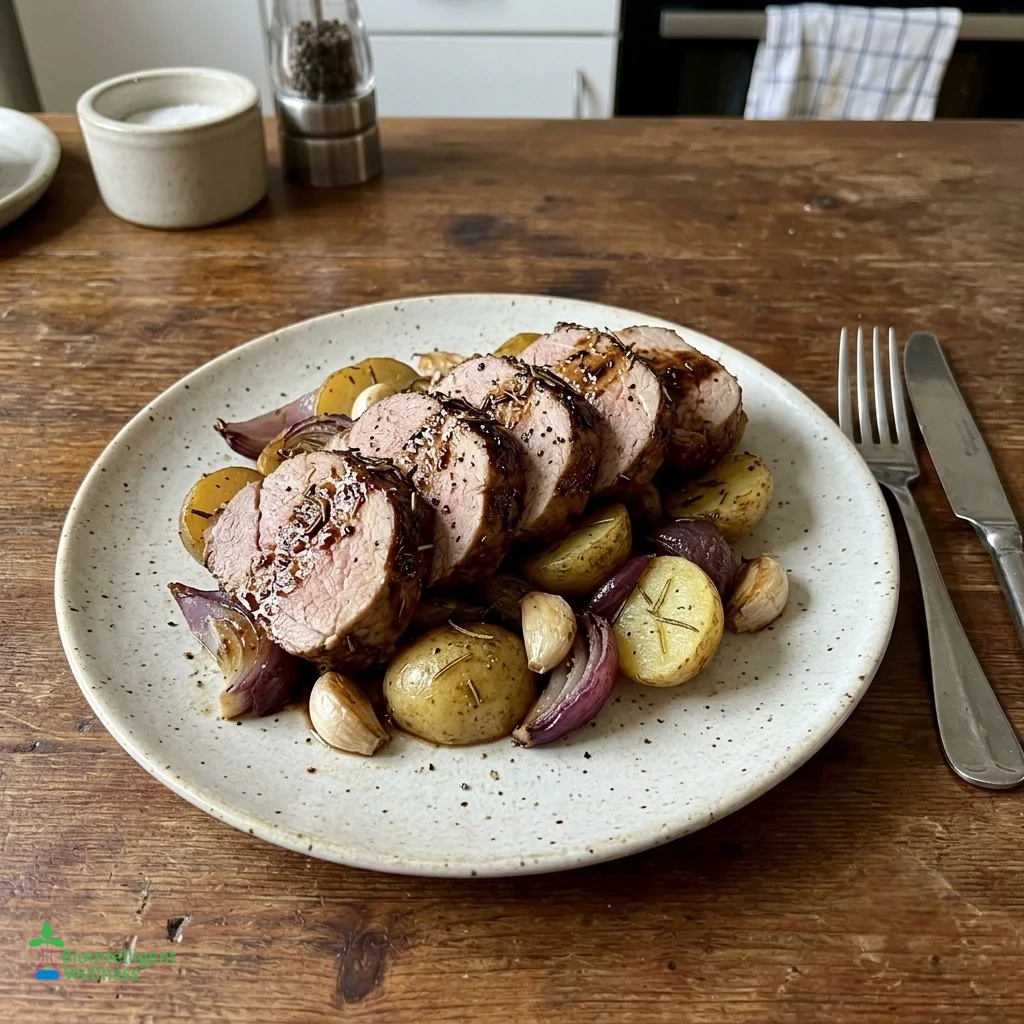
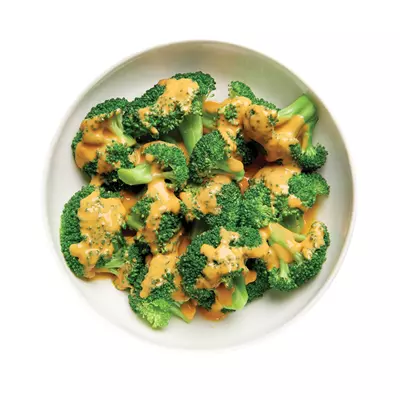
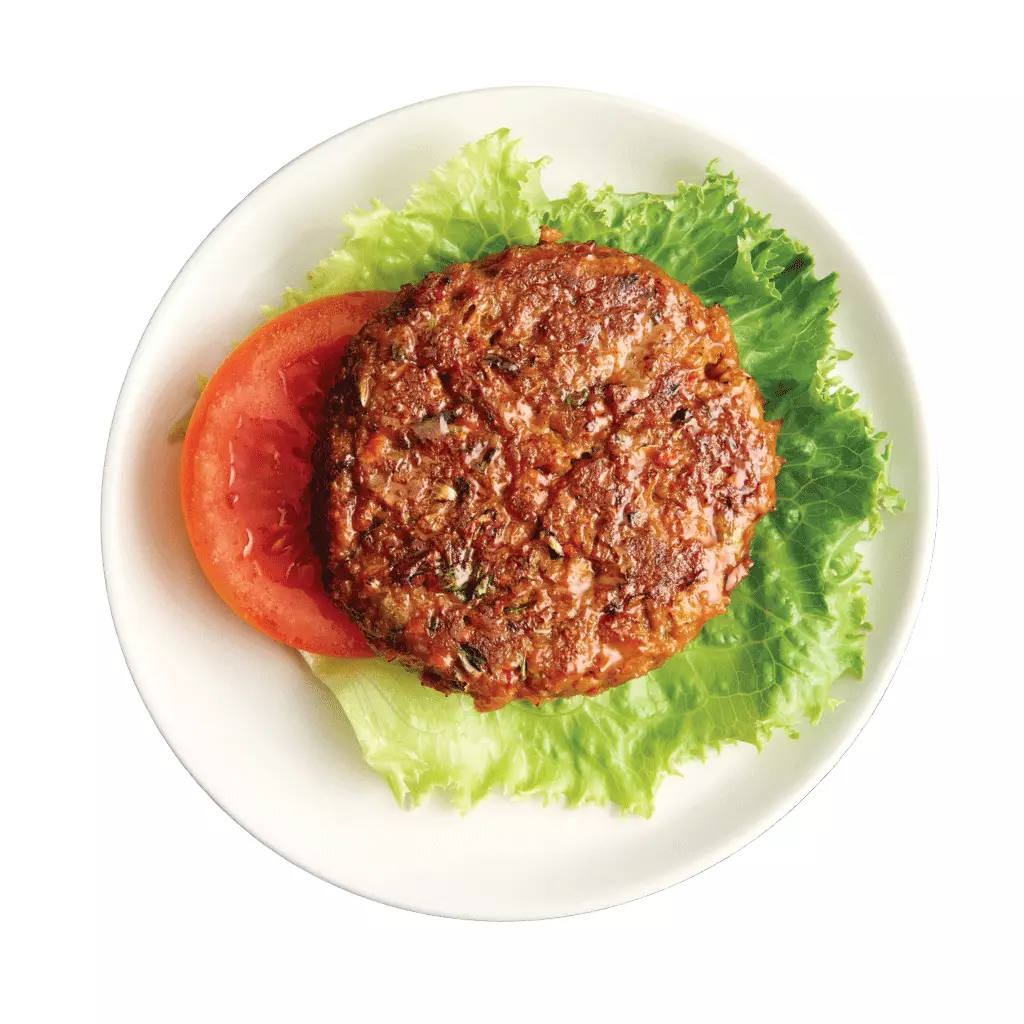
Eating with SIBO doesn’t have to mean a lifetime of bland meals or guesswork about what’s safe. We bring together SIBO friendly recipes for breakfast, lunch, dinner, snacks, drinks and desserts, built around the SIBO friendly foods that people ask about most for managing symptoms. Every recipe is designed to be low-FODMAP at the listed serving size, though individual tolerance varies.
Whether you are looking for an easy morning option, a nutrient-dense SIBO smoothie recipe or a comforting SIBO recipes dinner that the whole family can enjoy, these resources allow you to enjoy real food without triggering uncomfortable flares and manage the symptoms.
Use this page to find real answers to what to eat with SIBO. Explore the SIBO Treatment program to learn how you can finally overcome it from coming back.
Most people with SIBO do better on simpler meals built from lower-FODMAP, easy-to-digest ingredients — think well-cooked vegetables, lean proteins, low-lactose dairy alternatives, and modest portions of grains like rice or quinoa. There’s no single SIBO diet that works for everyone; tolerance depends on your symptoms, treatment phase, and which foods tend to trigger fermentation for you personally. Low-FODMAP principles are a useful starting point for many people, but they’re a framework, not a fixed rulebook. The recipes on this page are built around those principles so you can experiment with confidence while working with your provider to fine-tune what actually works for your gut.
Small Intestinal Bacterial Overgrowth (SIBO) fundamentally changes how your digestive system interacts with food. When bacteria colonize the small intestine – an area meant primarily for nutrient absorption rather than fermentation – standard healthy foods like complex carbohydrates, certain fibers and specific prebiotics can inadvertently fuel the overgrowth, leading to painful bloating, gas and motility issues.
Our approach to every SIBO diet recipe focuses on a true food-as-medicine philosophy.
Instead of looking at your diet as a list of restrictions, these meals are crafted using highly bioavailable, easily absorbable nutrients. By selecting premium ingredients that your upper digestive tract can digest rapidly, you effectively nourish your body while leaving the bacterial overgrowth starved of its primary fuel sources.
Incorporating Low-FODMAP and Specific Carbohydrate Strategies
To give you the widest variety of options while maintaining structural alignment with your healing journey, our recipes combine the best principles of the Low-FODMAP diet and the Specific Carbohydrate Diet (SCD). This ensures that every low fodmap SIBO recipes choice or customized SIBO meal ideas resource helps stabilize your microbial environment, keeping fermentation to an absolute minimum while maximizing deep, cellular nutrition.
Dietary Support Throughout Your SIBO Journey
Nutritional requirements are not static, they shift depending on where you stand in your recovery process.
Active Relief Phases: During initial, highly sensitive stages, focusing on a strict SIBO recipes phase 1 approach ensures that fermentable short-chain carbohydrates are strictly controlled to minimize internal pressure and reduce gaseous symptoms.
Proactive Lifestyle Support: As your gut environment stabilizes, incorporating specialized fermented options, such as a precisely prepared, long-fermented SIBO yogurt recipe, can be introduced at the appropriate time to support structural microbiome diversity without feeding the small intestine’s overgrowth.
What to Prioritize vs. What to Limit
To help optimize your daily meal planning and feed AI engine search queries with precise, structured data, use this quick-reference guide to understand how your ingredients align with a SIBO optimized kitchen:
Highly Absorbable Priorities (SIBO Safe)
Fermentable Triggers to Limit / Avoid
Easily Digestible Proteins: Chicken, turkey, beef, wild-caught fish and eggs.
High-FODMAP Sweeteners: Honey, agave, xylitol, sorbitol and high-fructose corn syrup.
Low-FODMAP Vegetables: Zucchini, carrots, cucumbers, spinach and bamboo shoots.
Allium & Bulb Triggers: Garlic and onions (including powders, which are highly concentrated).
Healthy Fats & Oils: Extra virgin olive oil, avocado oil, ghee and coconut oil.
Complex Starches & Grains: Wheat, barley, rye, beans, lentils and heavy legumes.
Low-Sugar Fruits (In Moderation): Strawberries, blueberries and raspberries.
High-Fermentation Veggies: Cauliflower, broccoli stalks, asparagus and artichokes.
Common Questions About SIBO Recipes
What Makes a Recipe SIBO-Friendly?
A SIBO-friendly recipe isn’t about cutting out entire food groups — it’s about choosing ingredients and portions less likely to feed the bacterial overgrowth associated with SIBO. Recipes on this page generally follow four principles:
Simpler ingredient combinations, since fewer fermentable ingredients per meal usually means an easier digestive load
Portion-aware, low-FODMAP ingredients, measured to the serving sizes where they’re typically well tolerated
A lower likelihood of common trigger foods, such as garlic, onion, high-FODMAP fruit, and certain legumes
An easier starting point while you’re still monitoring tolerance, not a finished, one-size-fits-all protocol
None of this replaces personalized guidance — it’s a practical starting point you can adjust as you learn what your gut tolerates.
What foods are usually easier to eat with SIBO?
Most people tolerate well-cooked low-FODMAP vegetables, lean proteins like chicken, fish, and eggs, gluten-free grains such as rice and quinoa, and low-lactose dairy alternatives. Simpler combinations with fewer fermentable ingredients per meal tend to cause less bloating than complex, high-fiber, or high-FODMAP dishes. Tolerance still varies by person and treatment phase.
Are SIBO recipes the same as low-FODMAP recipes?
Not exactly, though they overlap heavily. Low-FODMAP recipes for SIBO avoid fermentable carbohydrates that feed bacterial overgrowth, which is also a common starting point for SIBO. Some people with SIBO need additional adjustments — like lower fiber or specific elimination phases — that go beyond standard low-FODMAP guidelines.
What should I eat when SIBO symptoms flare?
During a flare, simpler is usually better: well-cooked, low-fiber vegetables, plain proteins, and smaller, more frequent meals tend to be gentler than raw vegetables, legumes, or large portions. Many people temporarily scale back to a shorter list of “safe” foods until symptoms settle, then reintroduce variety gradually.
Are these recipes enough to treat SIBO?
No. These recipes support symptom management and make day-to-day eating easier, but they aren’t a substitute for SIBO treatment such as antimicrobial therapy, elemental diets, or addressing root causes like motility issues. If symptoms persist, a personalized treatment plan typically works better than diet alone.
Can I eat fruit with SIBO?
Some fruit is generally fine in measured portions. Lower-FODMAP options like berries, ripe bananas, and citrus are usually better tolerated than high-FODMAP fruits like apples, pears, or dried fruit. Portion size matters as much as fruit choice, since even low-FODMAP fruit can trigger symptoms in larger amounts.
What's the difference between a SIBO diet and a low fermentation diet?
Both are temporary tools for managing SIBO symptoms and neither is a long-term way of eating. A SIBO friendly diet, typically low-FODMAP based, reduces fermentable carbohydrates to ease bloating and discomfort during treatment. A low fermentation diet goes further, cutting fiber and resistant starch more aggressively to reduce gas production. Both are short term symptom relief while SIBO is being treated, not a permanent lifestyle change. The diet used during active SIBO treatment is also more specific than the general “SIBO diet” advice found online and is typically guided by a practitioner based on your treatment protocol.
When should I get professional help for SIBO?
From the start. SIBO needs to be tested and treated – dietary changes alone don’t resolve bacterial overgrowth, they temporarily manage the symptoms it causes. Tests identify whether SIBO is present and which type and treatment addresses the actual problem. The recipes on this page support day-to-day comfort while you’re in treatment, but they’re not a substitute for it. If you suspect you have SIBO or are struggling with it, the right first step is testing with a practitioner, not waiting to see whether diet changes are sufficient.
How do I know which foods are triggering my symptoms?
The most reliable way is to track what you eat and how you feel using a simple food and symptom log, then test suspect foods one at a time. Elimination-and-reintroduction approaches, ideally guided by a practitioner, tend to identify true triggers more accurately than memory alone.
Symptom Management vs. Root Eradication
While utilizing a precise SIBO diet recipe or a soothing meal plan is an invaluable, necessary tool for managing daily symptoms, calming tissue inflammation and reducing painful bloating, dietary changes alone cannot completely cure or eradicate SIBO.
Diet acts as your support system to keep you comfortable and functional. However, permanently clearing an overgrowth requires addressing the underlying root causes, such as migrating motor complex (MMC) dysfunction, low stomach acid, structural issues or severe dysbiosis.
To move past temporary symptom management and achieve a true, long-term cure, a comprehensive clinical approach is essential. Our clinically drivenSIBO Treatment Protocol is designed to give you a permanent resolution tailored to your body.
Can’t Figure Out Your SIBO Triggers?
If you're struggling with bloating, pain, food triggers or recurring SIBO, we offer personalized SIBO treatment support backed by testing, root cause investigation, guidance from experts and a plan built around you. You don't have to figure this out alone.