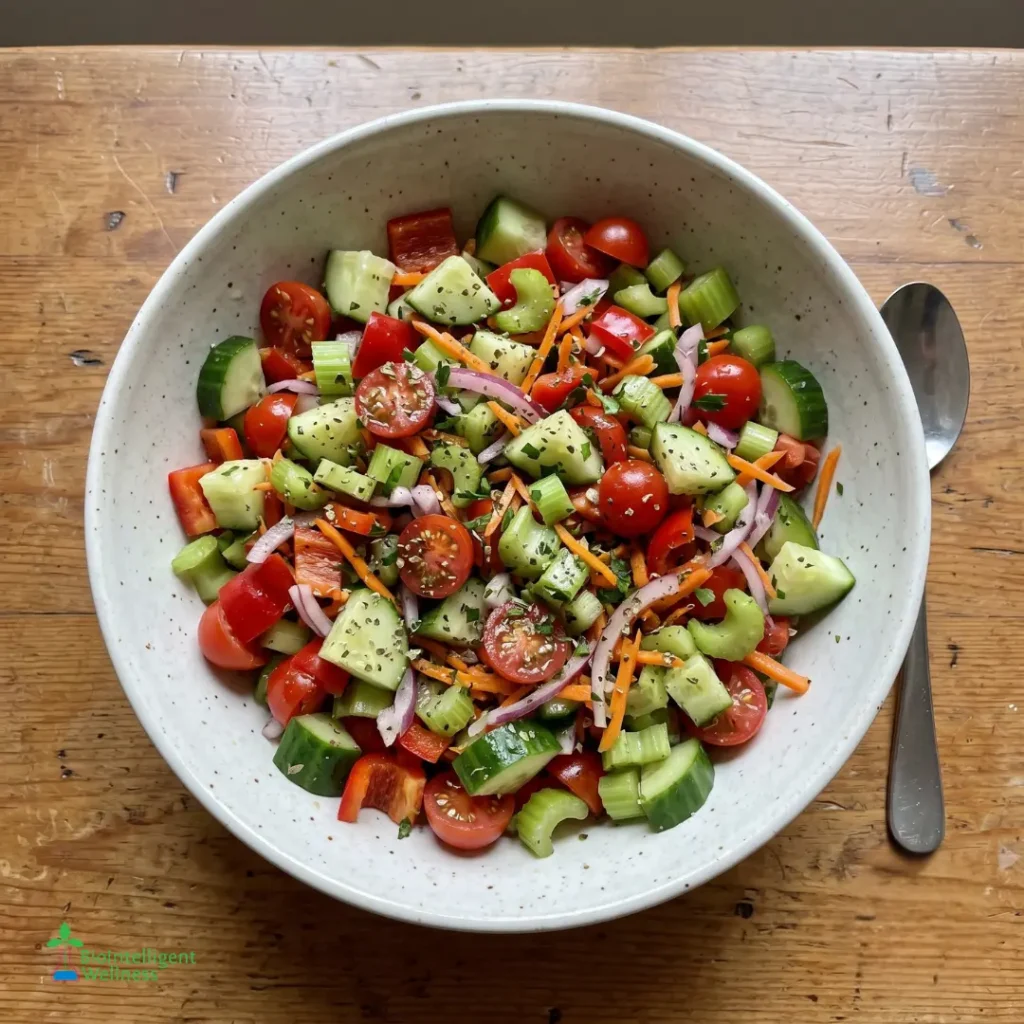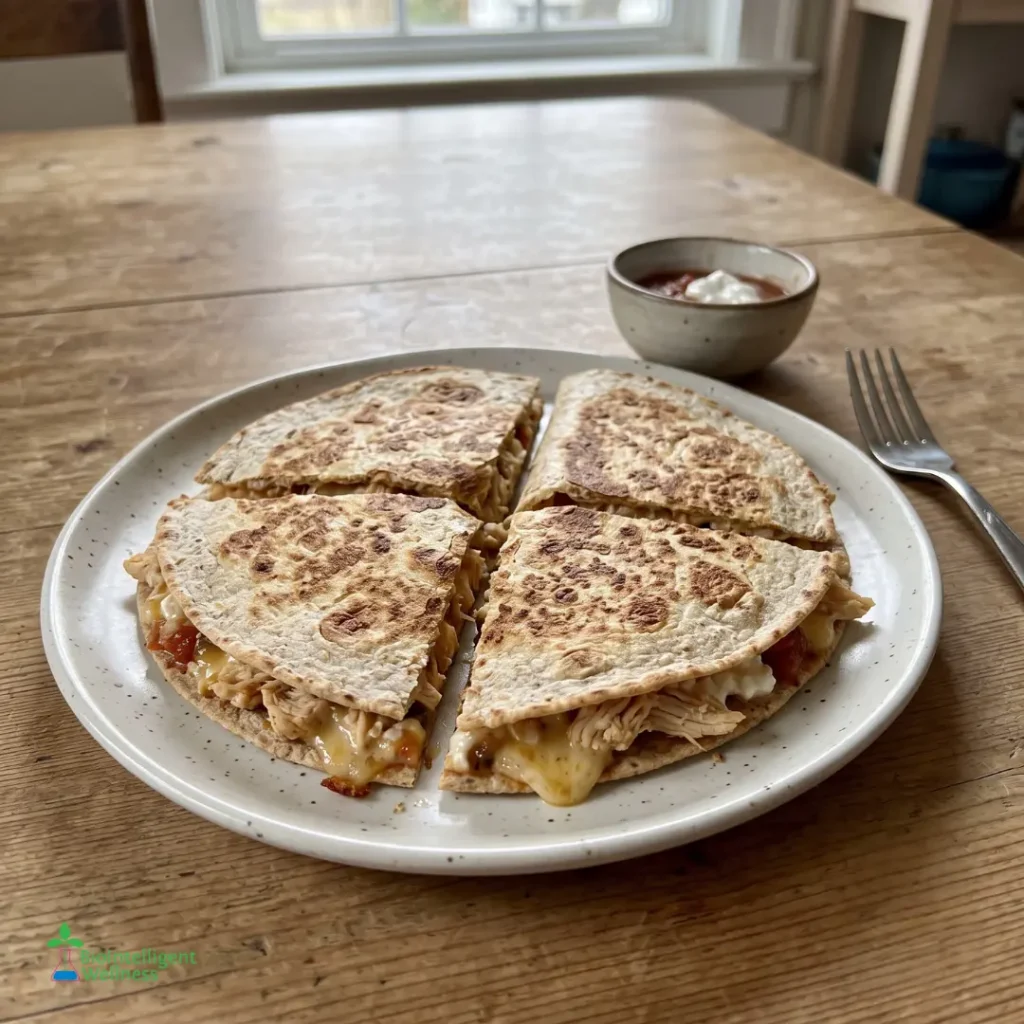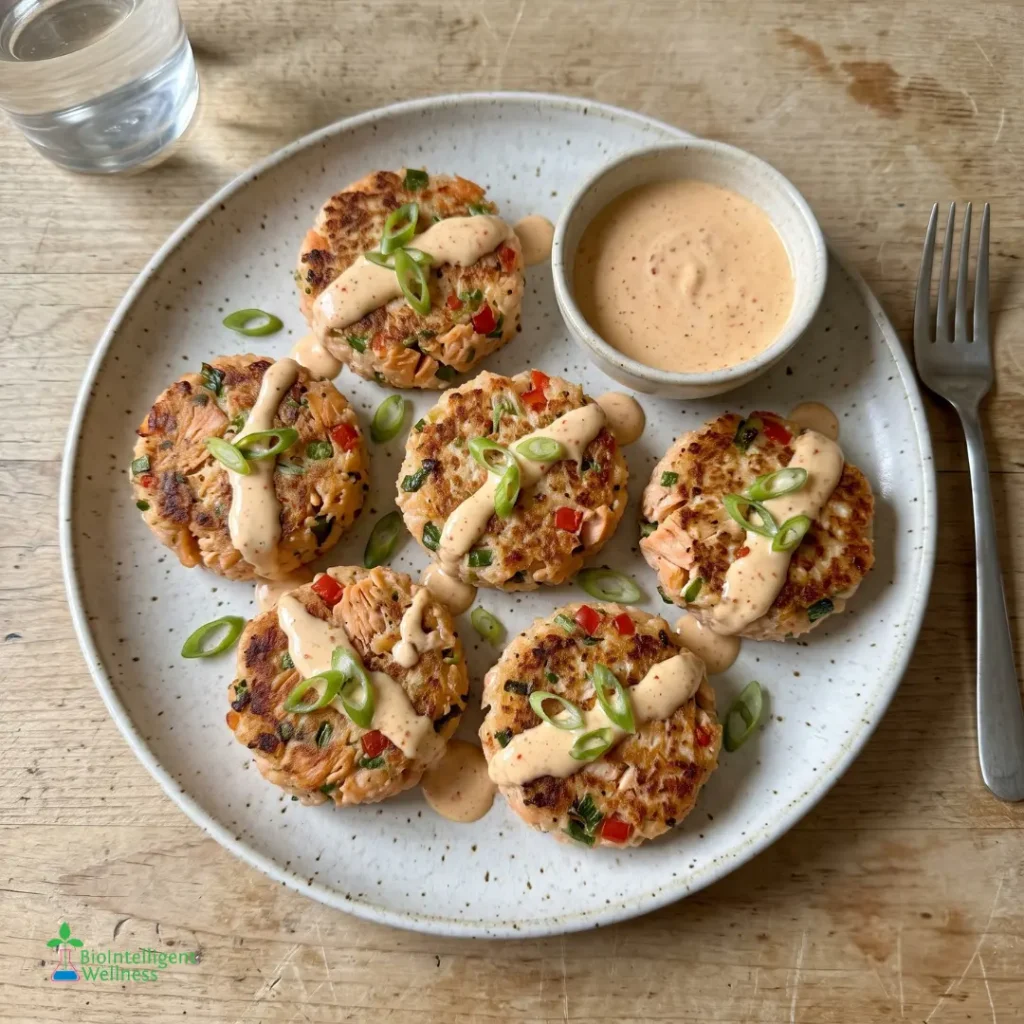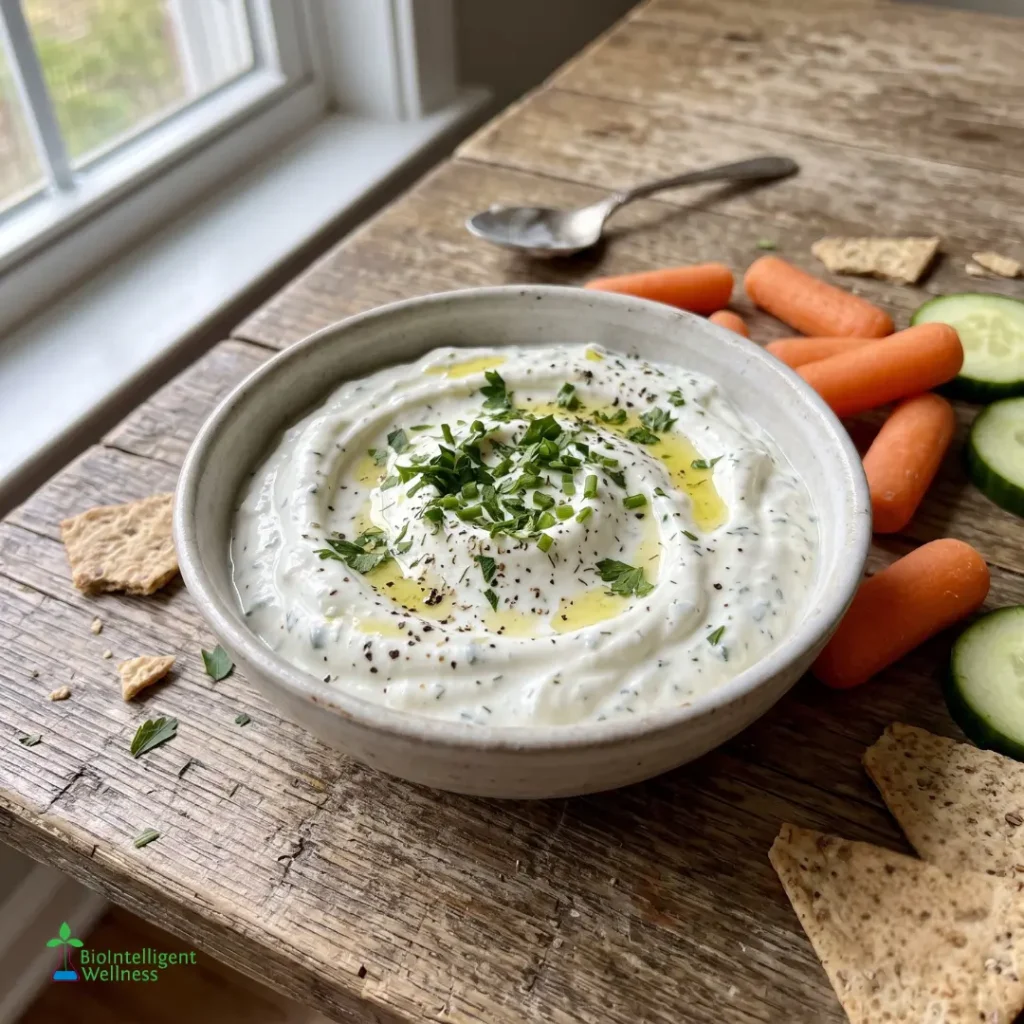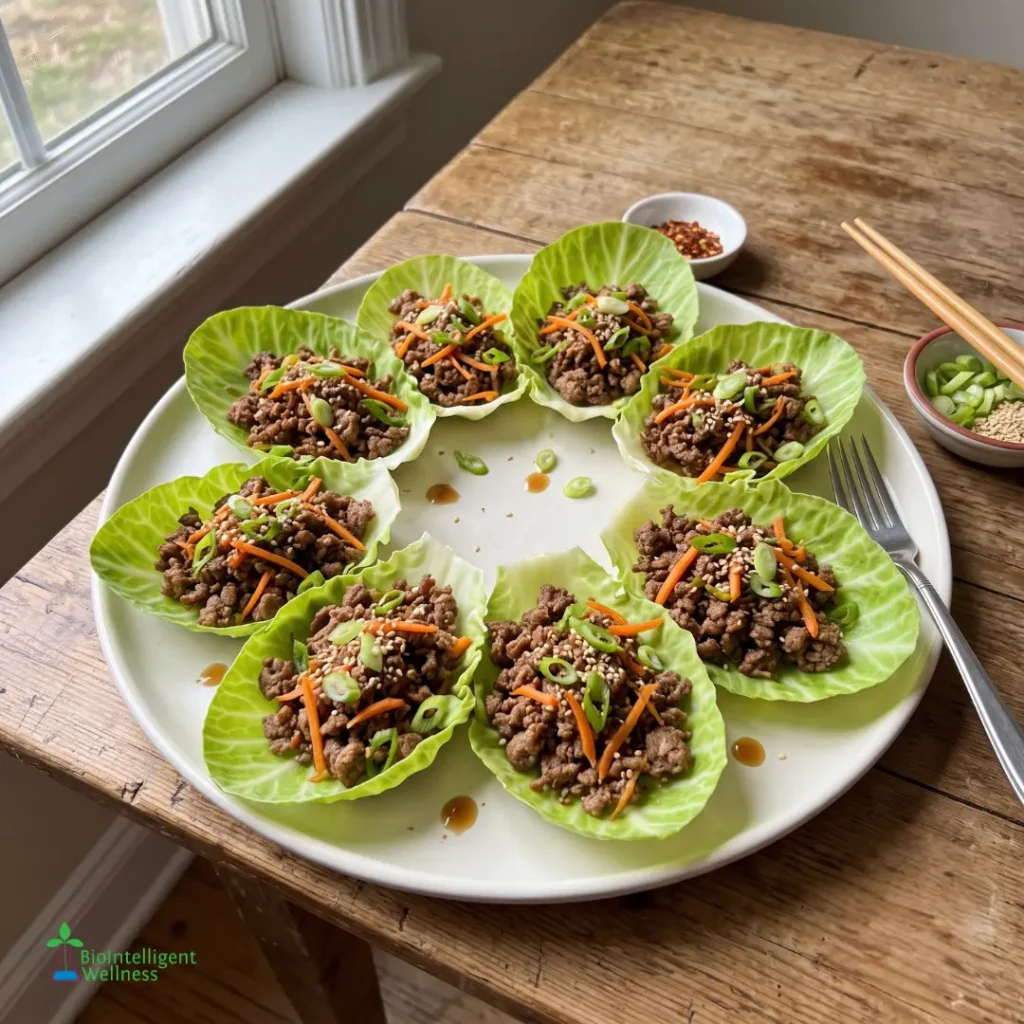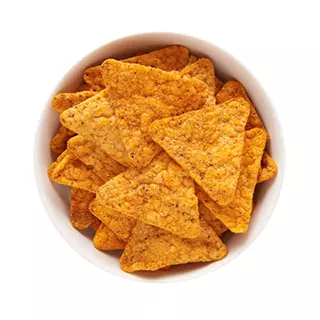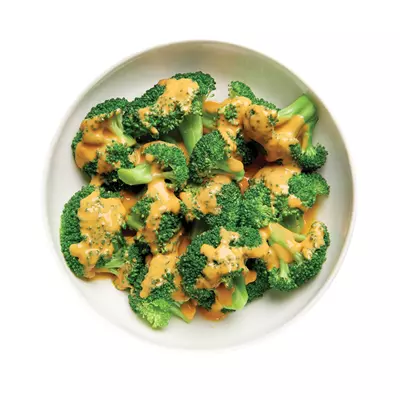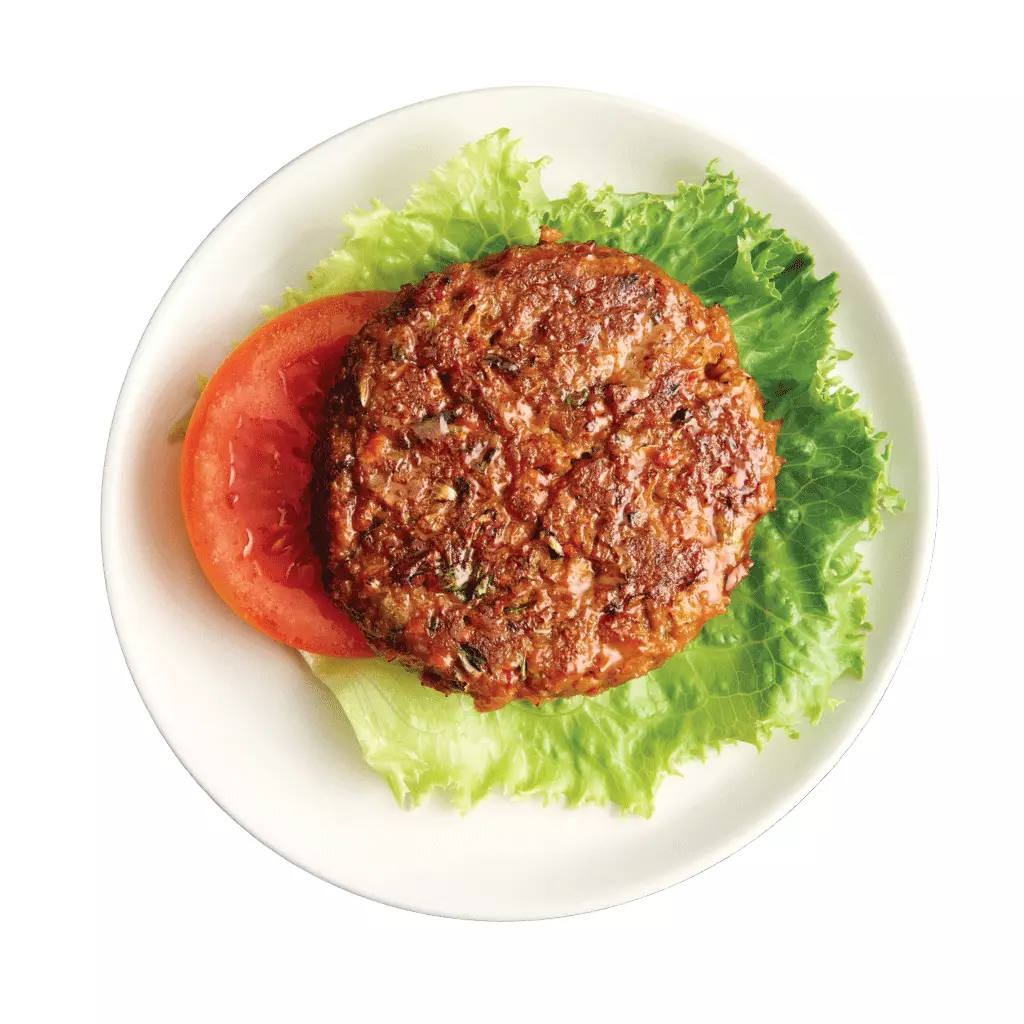
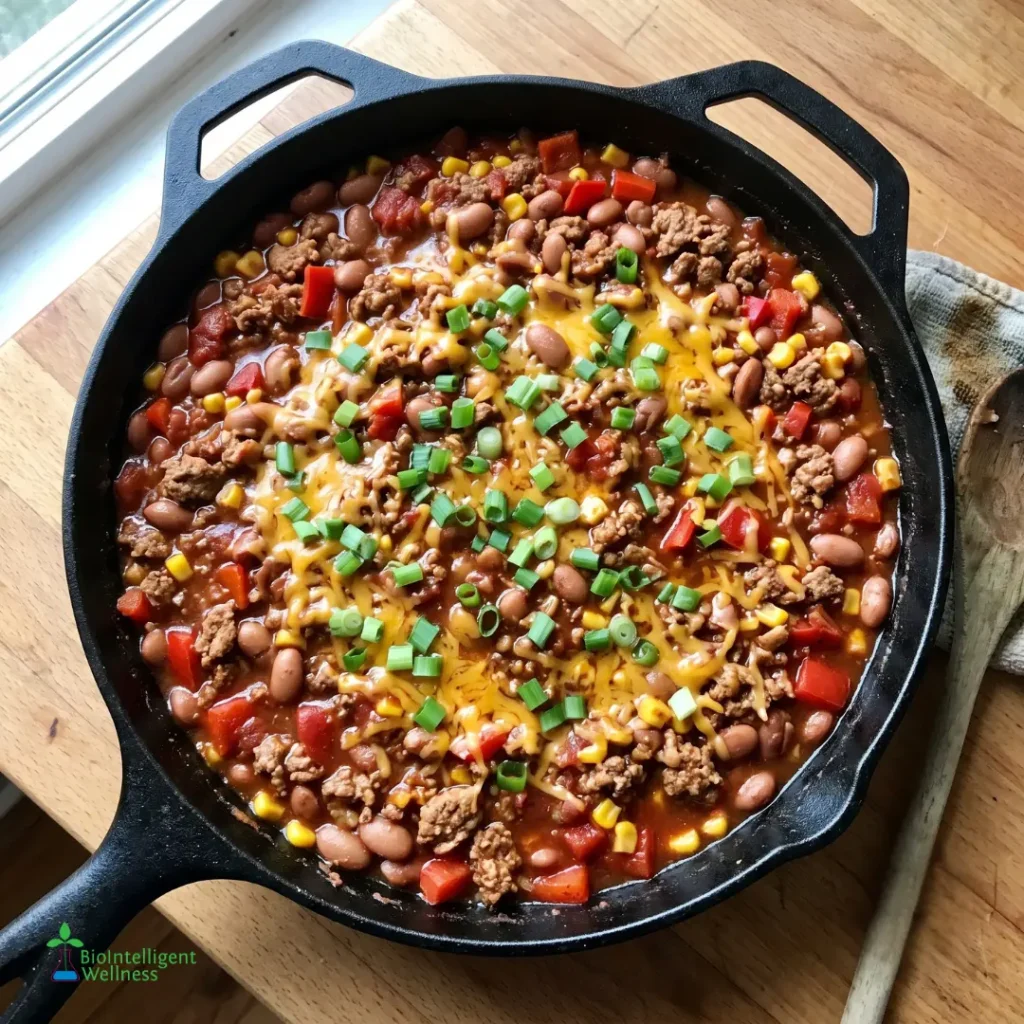
Most people do better with smaller, protein-forward meals that are easier to digest and simple enough to finish even when appetite is lower. Meals built around lean protein, hydration, and balanced portions are usually more practical than heavy or highly processed foods.
Why does protein matter so much on GLP-1?
Protein helps support muscle retention, recovery, and satiety during weight loss. Since many people on GLP-1 eat less overall, getting enough protein becomes even more important.
What foods are easier to tolerate on GLP-1?
For many people, lighter meals with simple proteins, cooked vegetables, gentle carbs, soups, smoothies, and smaller portions feel easier to tolerate than greasy, fried, or overly rich meals.
What should I eat if my appetite is low on GLP-1?
Smaller meals, protein-rich snacks, smoothies, and easy-to-finish meals are often more manageable than large plates of food. The goal is to stay nourished even when hunger feels lower than usual.
Can recipes alone help me maintain results after GLP-1?
Recipes can make daily eating easier, but long-term maintenance usually requires more than meal ideas alone. Nutrition strategy, habit change, protein planning, and support during transitions all matter.
What should I avoid eating on GLP-1 if I feel nauseous?
Many people do better avoiding large, greasy, fried, or very rich meals when nausea is present. Lighter, simpler meals and more consistent hydration may feel easier.
Are these recipes only for people currently taking GLP-1?
No. Many of these recipes can also support people who are transitioning off GLP-1, struggling after stopping, or looking for more structure around maintenance.
When should I get professional help with nutrition on GLP-1?
If you are struggling with side effects, low protein intake, weight regain concerns, or uncertainty about what to eat during or after treatment, personalized support can help.
CONTACT
Ready to get started or have a few more questions?