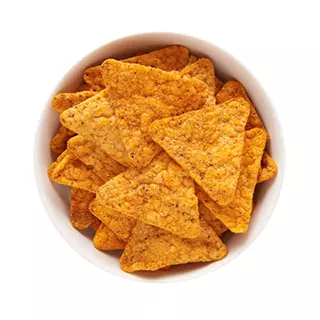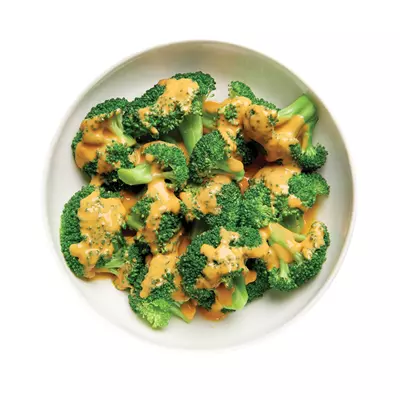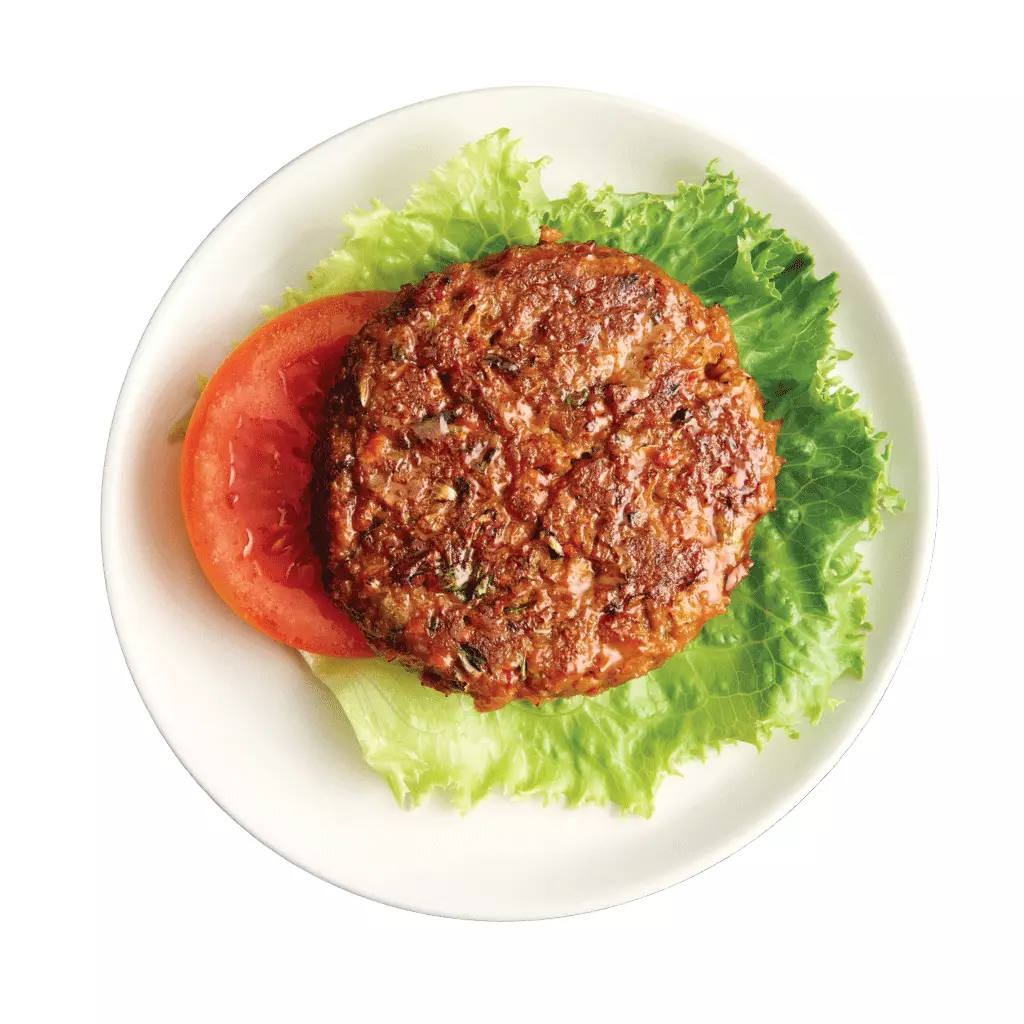

Ideal Protein Phase 1 or Weight Loss Phase is where you would lose most of the weight.
While the keto diet craze is a recent phenomenon, the Ideal Protein Protocol was created almost 30 years ago by Dr. Tran Tien Chanh and Olivier Benloulou. Dr. Chanh, a French physician, was looking to create a safer and easier weight loss protocol for his patients. At the time, his focus was on athletes needing to drop weight quickly but maintain function and performance.
Initially, the Ideal Protein protocol consisted of 4 phases with Phase 1 being the step where you would lose most of the weight. There have been a few changes in the last few years. Now, you will go through 3 phases of the Ideal Protein protocol:
- Phase 1 or weight loss phase
- Phase 2 or stabilization phase and lastly
- Phase 3 or maintenance phase
This article will give you an insight into Phase 1 of the Ideal Protein diet. We will also look into the Ideal Protein allowed food list, Ideal Protein supplements, Ideal Protein Phase 1 recipes, and more.
Ideal Protein Complete Food List for Phase 1
We encourage dieters to create food variety while they are on Ideal Protein Phase 1 to keep their weight loss diet exciting.
Ideal Protein restructured the protocol in 2020 for faster and more effective weight loss results and introduced new products and expanded the allowed foods list. With so many options, you’ll never have to eat the same thing repeatedly.
While there is no frying or breading permitted, you can use an air fryer and also use your Ideal Protein foods, such as the chips, to create “breading”.
Ideal Protein has also reduced the allowance for whole protein allowed on Phase 1 from 8 ounces to 4 to 6 ounces. As a result, now you can lose weight faster, enjoy your weight loss journey and transition faster.
Remember to weigh your protein before cooking your recipe.
Whole Protein Sources in Ideal Protein Diet Phase 1
- Anchovy
- Flounder
- Halibut
- Pike
- Sea Bass
- Perch
- Swordfish
- Turbot
- Cod
- Salmon
- Bass
- Tuna
- Grouper
- Mahi-Mahi
- Red Snapper
- Shark
- Tilapia
- Walleye
- Hake
- Sole
- Catfish
- Haddock
- Monkfish
- Redfish
- Smelt
- Trout
- Whiting
- Clams
- Mussels
- Shrimp
- Scampi
- Crab
- Oysters
- Squid
- Crawfish
- Scallops
- Lobster
- Flank Steak
- Rump Steak
- Round
- Ground Beef
- Sirloin
- Filet Mignon
- Lean Roast
- Tenderloin
- Inside Round
- Rib
- Breast
- Scaloppini
- Shank
- Cutlet
- Tenderloin
- Shoulder
- Chicken (Skinless)
- Partridge
- 6 Eggs (2–4 Whole, rest are Whites)
- Fowl
- Pheasant
- Wild Birds
- Turkey
- Quail
- Lean Ham
- Pork Tenderloin
- Wild Game
- Tofu Plain (3–4 Oz.)
Whole Protein Sources Allowed in Phase 1
At the time, the ketogenic diet was relatively unheard of, outside of the Atkins diet which was gaining popularity. Similar to the Atkins diet, Ideal Protein also takes out simple and complex carbohydrates from the diet to put your body into ketosis, a biochemical state that forces the body to burn stored fat rather than the carbohydrates you consume.
What makes Ideal protein different from Atkins and modern-day Keto is that it’s a modified approach that temporarily restricts fat consumption during Phase 1 to refocus the body on burning stored fat rather than the fat you consume.
Another important distinction is that Ideal Protein utilizes the tenets of a ketogenic diet while integrating education and support for creating a healthy lifestyle after the diet is over.
Raw Vegetables & Lettuces
You can eat unlimited raw vegetables & lettuces\ on Ideal Protein phase 1.
Dietary fiber is excellent to ward off hunger and stabilize your blood sugar. The vegetables and lettuces below are “free” items.
Hence, at our Ideal Protein clinic, we recommend clients prepare 1-2 salad recipes a day consisting of these items and some of the allowed vegetables for better weight loss results.
- Arugula
- Cactus (All)
- Escarole Lettuce
- Mushrooms
- Spinach
- Bibb Lettuce
- Celery
- Frisée Lettuce
- Radicchio
- Watercress
- Bok Choy
- Chicory Lettuce
- Green/Red-Leaf Lettuce
- Radish
- Lettuce
- Boston Lettuce
- Endive
- Iceberg Lettuce
- Romaine Lettuce
Select Vegetables
4 cups of these selected vegetables are allowed per day. Remember to measure before cooking.
Even our pickiest dieters learn to love vegetables on Phase 1 of the Ideal Protein diet. The wide variety keeps things new and exciting and offers an opportunity to discover or rediscover new foods you will love.
There are so many ways to prepare these veggies.
One of the most common comments we hear from clients who come to our clinic for weight loss is that they learned how to correctly prepare a veggie and now they love it! Moreover, our Ideal Protein coaches will provide you with simple recipes that transform into delicious renditions of your favorites.
- Alfalfa Sprouts
- Bell Peppers
- Celeriac
- Collards
- Gai Lan (Chinese Broccoli)
- Kohlrabi
- Radish
- Spinach
- Asparagus
- Broccoli
- Chard (All)
- Cucumber (All)
- Green Onions
- Mushrooms
- Rapini
- Turnips
- Bamboo Shoots
- Cabbage (All)
- Chayote
- Dill Pickles
- Hot Peppers
- Okra
- Rhubarb
- Zucchini
- Bean Sprouts
- Cauliflower
- Chicory
- Fennel
- Kale
- Onions (Raw Only)
- Sauerkraut
- Yellow Summer Squash
Occasional Vegetables During Phase 1
Occasional or restricted vegetables are allowed a maximum of 4 cups per week on Ideal Protein phase 1. The reason is that Restricted Vegetables have a higher carbohydrate count and are still allowed. You just need to limit it to a max of 4 cups a week and you’ll need to mind your daily net carb target.
- Beans (Green & Wax)
- Brussels Sprouts
- Eggplant
- Hearts of Palm (Palmini)
- Jicama
- Leeks
- Rutabaga
- Snow Peas
- Spaghetti Squash
- Tomatillo
- Tomatoes (All)
Seasonings Allowed for Ideal Protein Diet Phase 1
Forget boiled chicken and bland veggies. On Ideal Protein Phase 1 diet, you’ll have so many options to add a little spice o your life! You can completely change up the flavors (think Mexican one day and Italian the next) and keep your palate guessing with excitement.
- Apple Cider Vinegar
- Capers (2 Tbsp.)
- Cinnamon
- Fine Herbs
- Fresh Herbs
- Cilantro
- Chervil
- Chives
- Dill
- Marjoram
- Oregano
- Parsley
- Rosemary
- Sage
- Savory
- Thyme
- Garlic
- Ginger
- Lemon
- Lemongrass
- Hot Mustard
- Hot Sauce
- Onion Powder
- Sorrel
- Soy Sauce
- White Vinegar
- Bay Leaves
- Mint
- Tarragon
- Tamari Sauce
- Spices (MSG-Free/No Carbs)
- Basil
- Lime
Select Oils – 2 tsp per day
The Ideal Protein Phase 1 diet is low-carb and low-fat. However, we recommend including a small amount of healthy dietary fat to include the vital omega’s and make cooking and eating salads a more interesting part of weight loss.
As you can see below, there are a lot of options to choose from.
- Avocado
- Canola
- Flaxseed
- Grape Seed Extract
- Hemp Seed
- Mustard
- Olive
- Rice Bran
- Safflower
- Sesame
- Sunflower
- Walnut
Supplements to be Taken in Ideal Protein Diet Phase 1
Micronutrients are vital ingredients necessary to support your body and its functions.
From maintaining muscle mass, energy production, and retaining hydration. Being on a diet does not decrease these demands.
For that reason, Ideal Protein Phase 1 requires a few mandatory supplements to provide all nutrients typically found in the foods that you will be restricting on the Ideal Protein protocol. The addition helps you achieve the minimum recommended daily allowance (RDA) of vitamins and minerals. It’s a vital step and skipping it can actually slow your progress, costing you more in the long run.
- IP Multi-Vita: 2 capsules daily
- IP Potassium: 1 tablet daily
- IP Cal-Mag: 2 tablets twice daily with meals
- IP Omega-3 Plus: 1 capsule twice daily with meals
IP Anti-Oxy:
- Why it is recommended: Antioxidants are
chemical nutrients that support the body in
combating the dangers of oxidative stress.
Antioxidants can protect against free
radicals and potentially even reverse the
damage. - Recommended dose: 2 capsules daily
- Why it is recommended: Antioxidants are
BCAA:
- Why it’s recommended: Ideal Protein’s BCAA’s can speed up your results because they help you maintain muscle mass while you are losing weight. Especially important for those who exercise on Ideal Protein Phase 1 and also for those who lose too much lean mass.
- Ideal Protein BCAA recommended dose:
- Phase I & 2:
- General recommendation: 1 packet per day during the first 3 weeks.
- If losing too much lean mass after week 3: 1 packet per day
- If exercising on Phase I: 1–2 packets per day. You need to take them 30 minutes before your workout and you can have another one after, but the pre-workout dose is vital and timing is key.
- Phase 3:
- Great pre- and post-workout supplement to support your training, energy levels, fat burning, and it even acts as an appetite suppressant.
- Phase I & 2:
IP Digestive Enzymes:
- Why it is recommended: Aids in the digestion of whole foods. It breaks down larger food molecules into smaller particles that can more readily be absorbed.
- Recommended dose: 1–2 capsules with meals.
IP Flora Health:
- Why it is recommended: Probiotics promote normal bowel habits and assist in the digestion and absorption of nutrients in the body.
- Recommended dose: 1 capsule daily.
Foods to Avoid During Ideal Protein Phase 1
Avoid any other food that’s outside the allowed foods sheet your coach has shared with you!
Download Ideal Protein Phase 1 allowed food list PDF and checklist. Bring this allowed foods checklist to your shopping list so you never get confused about what to buy and what to avoid.
Ideal Protein Phase 1 Sample Meal Plan
While Ideal Protein is carbohydrate restrictive, it still has a lot of food variety to keep food fatigue off. You can incorporate both Ideal Protein packaged foods and the approved whole foods to keep your diet palatable.
Here are some sample meals and snacks you can try:
Breakfast
- Ideal Protein Fine Herbs Omelet with garlic, mushrooms, and spinach or Golden Pancake Mix
- 1 Ideal Protein Multi-Vita
- 1 Ideal Protein Potassium
Lunch
- Ideal Protein Broccoli Cheese Soup or Mushroom Soup Mix
- 1 ½ cups of steamed broccoli
- A mixed green salad with Ideal Protein Italian Dressing.
- 1 Ideal Protein Multi-vita
- 1 Ideal Protein Omega-3 Plus
Dinner
- Zucchini Noodle Pasta or Rotini Pasta
- 4-6 oz lean ground beef
- Romaine and arugula salad with Ideal Protein Honey Mustard Dressing
- 2 Ideal Protein Cal-Mag
- 1 Ideal Protein Omega-3 Plus
Snacks
- Ideal Protein Vanilla Crispy Square or Chocolate Puffs (if you like sweet snacks)
- Barbecue Crisps or Nacho Cheese Dorados (if you like salty snacks)
- 2 Ideal Protein Cal-Mag
Drinks (Optional)
- Chocolate Smoothie Mix or Orange Drink Mix
If you need help with meal planning on your Ideal Protein journey, explore the done-for-you weekly meal plans our coaches created for dieters just like you.
You can always get your required Ideal Protein products here
Ideal Protein Recipes and Cookbooks
We always encourage our dieters to take advantage of the many food resources available on Ideal Protein not only livable but a gourmet experience. These easy-to-follow instructions will make the Ideal Phase 1 diet experience delicious and make it feel like anything BUT a diet.
- BioIntelligent Wellness’s Ideal Protein Recipes Cookbook (800+ new Ideal Protein protocol friendly recipes)
- Chef Verati’s cookbooks: My Ideal Recipes (Ideal Protein Phases 1 & 2) and Taste the Freedom (Ideal Protein Phase 3 Maintenance)
- Janeva’s Cookbook: Janeva’s Ideal Recipes (Ideal Protein Phase 1 & 2)
- Ideal Protein Cookbook
We recommend following our social media pages, where we feature new Ideal Protein compatible recipes every week.
- Bookmark our Ideal Protein Recipes page.
- Follow BioIntelligent Wellness on Facebook for weekly new Ideal Protein recipes.
- Follow BioIntelligent Wellness on Instagram for weekly new Ideal Protein recipes.
- Follow our Pinterest page.
FAQs:
How Long Does Ideal Protein Phase 1 Last?
This totally depends on your weight loss goals. Phase 1 is meant to be followed until you reach 100% of your weight loss goal. The Ideal Protein weight loss method treats weight issues at its source.
How Much Weight Do You Lose on Ideal Protein Phase 1?
Dieters on Phase 1 usually lose 6 to 8 pounds on average during the first 2 weeks and in the following days, at least 2 pounds per week (most lose 2 – 5) when the Ideal Protein Weight Loss Protocol is followed properly.
How Much Does Ideal Protein Phase 1 Cost?
For the cost of products, supplements, coaching visits, and electronic support, you should budget around $135 a week. Visit this page for a thorough analysis of Ideal Protein costs.
However, new dieters can start Ideal Protein with BioIntelligent Wellness for $50 with waived start fees. Check out our New Dieters Offer for more details.
What Health Benefits Will I Experience Being on Ideal Protein Phase 1?
- Weight loss
- Increase insulin sensitivity
- Improve blood sugar control
- Reduce cholesterol
- May reduce heart disease risk factors
- Improve PCOS related issues
- Improve acne
- Improve the appearance of cellulite
What Side Effects I May Experience During Phase 1?
Ideal Protein phase 1 restricts your usual calorie intake (especially carbohydrates). As a result, you may experience some of the following discomforts in the beginning days:
- Hunger (although you can eat unlimited vegetables)
- Headaches (due to reduced sugar intake)
- Bad breath or Keto breath
- Increased thirst
- Nausea
- Dizziness
- Fatigue
- Mild constipation
- Hair thinning/ hair loss
- Irregular menstrual cycle
Can I Workout During Phase 1?
Yes. But keep it low-intensity. We rather encourage light exercise only after the first 2 weeks on the protocol.
Ideal Protein is considered a low-calorie plan and Phase 1 is the stage where calorie intake is significantly reduced. Thus moderate to heavy exercise may lead to loss of lean muscle which contradicts the goal of the program.
Exercises such as body movements, light stretching, and gentle yoga are excellent options to go with. You can also follow the fitness program available on the IdealSmart app.
However, please keep a few things in mind when exercising:
- Do not get overly tired
- Supplements are a must!
- Keep well hydrated. You must increase your water intake if exercising.
Can Vegetarians or Vegans Follow the Ideal Protein?
Vegetarians can follow the Ideal Protein Weight Loss Protocol and can consume eggs, fish (if Pescatarian), or tofu during their evening meal for their whole protein. As an alternative, they can also have 2 Ideal Protein foods for dinner in replacement of their whole protein. Ensure you review the ingredient list on all boxes before purchasing them.
Strict vegans, who do not consume any animal proteins and animal by-products, such as dairy products, honey, and so on, do not qualify to follow the Ideal Protein Weight Loss Protocol due to the many dietary restrictions.
How Ideal Protein Makes a Difference?
Ideal Protein also takes out simple and complex carbohydrates from the diet to put your body into ketosis, a biochemical state that forces the body to burn stored fat rather than the carbohydrates you consume.
What makes Ideal protein different from modern-day Keto is that it’s a modified approach that temporarily restricts fat consumption during Phase 1 to refocus the body on burning stored fat rather than the fat you consume.
Another important distinction is that Ideal Protein utilizes the tenets of a ketogenic diet while integrating education and support for creating a healthy lifestyle after the diet is over. Owing to its genius strategy, you will lose fats fast and keep it off in the long run.